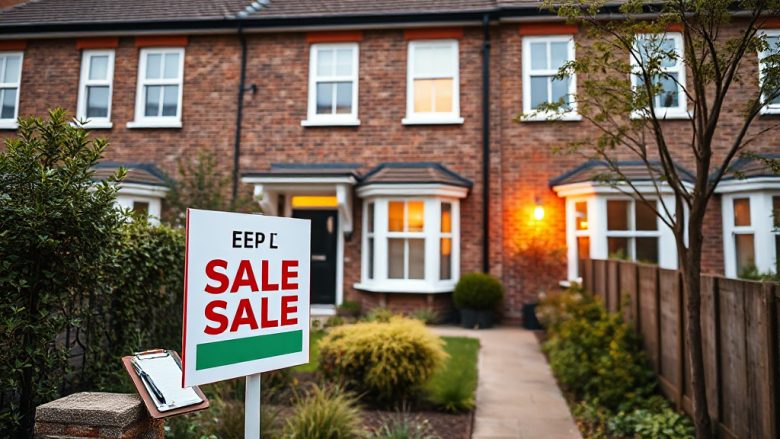
Putting your home on the market carries real weight. There’s the money tied up in the bricks, the memories in the walls, and the quiet worry that you’ll accept the wrong offer or lose a buyer three weeks before exchange. If you’re selling for the first time, the process can feel like a maze of jargon, timelines and people chasing you for documents. This complete guide to selling a house in the UK walks you through the whole sequence in plain English, from the first valuation to the day you hand over the keys, with realistic timings and the pitfalls that catch people out.
Before You List: Getting the House and Paperwork Ready
Most sellers underestimate the prep phase. Estate agents will tell you that a tidy, decluttered home photographs better and attracts more viewings, but the practical work goes deeper than a quick clean. You’ll want to fix the small things that make buyers suspicious: dripping taps, cracked tiles, doors that stick, a boiler that hasn’t been serviced in three years. None of these are deal-breakers on their own, but a long list of minor faults gives buyers room to negotiate hard later.
Gather your paperwork early. If you own the freehold, dig out the title deeds if you have them, though in England and Wales most titles are now registered digitally with the Land Registry. If you’re leasehold, find the lease, the service charge statements and any ground rent demands. You’ll also need building regulations certificates for any work you’ve had done, gas safety records, electrical certificates and guarantees for anything from a new roof to damp-proofing. Missing documents slow down the legal stage, and slow legal stages are where sales collapse.
Work out roughly what you still owe on the mortgage. That figure, plus early repayment charges if you’re on a fixed rate, tells you what you’ll actually walk away with. It’s worth checking whether your current lender will let you port the mortgage to a new property, because that can save you money if you’re buying again straight away.
Valuation: What Your Home Is Really Worth
You’ll get three types of number thrown at you. An estate agent’s valuation is an opinion of what the property will sell for in the current market. An online estimate is a computer guess based on sold prices nearby, and it often misses the state of your kitchen or the fact that your road is quieter than the next one. A surveyor’s valuation, which a buyer’s lender commissions, is a conservative figure used to protect the mortgage lender. None of these are the same thing, and confusing them causes a lot of stress.
Invite at least three agents to value the house. Ask them what similar homes in your area have actually sold for in the last six months, not what they’re advertised at. Asking prices are hopes; sold prices are facts. Be wary of the agent who quotes a figure far above everyone else. Overpricing is the single most common reason a house sits on the market for months, goes stale, and then sells for less than it would have done at a sensible price on day one.
By 2026, most buyers start their search online and filter by price bracket. If your asking price sits just above a common search ceiling, you’ll lose a chunk of your audience. A good agent will explain this and suggest a figure that gets you seen.
Choosing an Agent and Listing Your Home
Estate agent fees vary widely. A traditional high-street agent might charge somewhere between 1% and 1.8% of the sale price, plus VAT. Online agents often charge a fixed fee upfront, sometimes a few hundred pounds and sometimes over a thousand. The cheapest option isn’t automatically the best. What matters is how the agent markets the property, how quickly they respond to enquiries, and whether they’ll chase buyers and solicitors when things stall.
Check the terms of any agreement carefully. Some contracts tie you in for a set number of weeks, and some charge a fee even if you find the buyer yourself during that period. Ask about sole agency versus multi-agency. Sole agency usually means a lower commission but you’re committed to one firm. Multi-agency puts your home in more windows but costs more.
Once you’ve signed, the agent arranges photography, writes the listing and puts it on the major property portals. Good photos matter more than any other marketing spend. A professional photographer will shoot on a bright day, use a wide lens, and clear the clutter from every surface. If your agent plans to use phone snapshots, push back.
Viewings, Offers and Negotiation
Viewings are draining, especially if you have children or pets. Try to keep the house presentable without making family life impossible. Buyers decide fast, often within the first thirty seconds, so light matters. Open curtains, turn on lamps, and if it’s winter, put the heating on before people arrive.
When offers come in, don’t just look at the number. Consider the buyer’s position. A first-time buyer with a mortgage agreed in principle and no chain is often a safer bet than a higher offer from someone who still needs to sell their own home. Cash buyers can move quickly but sometimes try to renegotiate after the survey. Ask your agent to verify how the buyer intends to fund the purchase and whether they’ve had a mortgage offer or just an agreement in principle.
You can accept an offer, negotiate, or hold out for more. Once you accept, the property is usually marked as sold subject to contract, meaning nothing is legally binding yet. Either side can walk away at this point, and unfortunately, some do.
Conveyancing: The Legal Stage Explained
Conveyancing is the legal transfer of ownership. You’ll instruct a solicitor or licensed conveyancer to act for you. Fees typically range from around £800 to £1,500 plus VAT for a straightforward freehold sale, more for leasehold or complicated titles. Ask for a full quote that includes disbursements like Land Registry fees and searches, so you’re not surprised by extras.
Your solicitor prepares a draft contract and a pack of information for the buyer’s solicitor. This includes the property information form, the fixtures and fittings list, and details of any disputes or planned works nearby. Answer these honestly. If you hide a problem, like a boundary dispute or a neighbour’s extension that never got planning permission, it will surface later and can cost you the sale or even lead to a claim after completion.
The buyer’s solicitor raises enquiries, orders local authority searches and checks the title. This back-and-forth is the slowest part of the process. Respond to your solicitor’s requests promptly. Every day you delay adds a day to the timeline.
Exchange and Completion: The Final Steps
Exchange of contracts is the moment the sale becomes legally binding. Both sides sign identical contracts, the buyer pays a deposit, usually 10%, and a completion date is set. Once you’ve exchanged, you can’t accept a better offer and the buyer can’t pull out without losing their deposit.
Completion usually happens a week or two after exchange, sometimes the same day. On completion day, the buyer’s solicitor sends the balance of the purchase price to your solicitor, who pays off your mortgage and sends you the remaining funds. You hand over the keys, often through the estate agent. The house is no longer yours.
Don’t book removals or plan your move until contracts have actually exchanged. I’ve seen sellers hire a van, pack everything, and then watch the chain collapse the day before exchange. It happens more often than anyone admits.
The Real Costs of Selling a House in the UK
Budget for more than the agent’s commission. You’ll pay solicitor’s fees, which can run from £800 to £2,000 depending on complexity. There’s the cost of an Energy Performance Certificate, usually £60 to £120, which you legally need before you can market the property. Removals can cost anywhere from a few hundred pounds for a local move to several thousand for a long-distance one with a lot of furniture.
If you’re selling a leasehold flat, you may need a leasehold information pack from the freeholder or managing agent, which can cost £200 to £400 and take weeks to arrive. Early repayment charges on your mortgage could be thousands if you’re mid-fixed term. And there’s the small stuff: minor repairs, a skip, a professional clean, maybe staging costs if your agent recommends it. Add it all up before you set your asking price so you know what you need to clear.
Why Sales Fall Through and How to Avoid Delays
Roughly one in four property sales collapses before completion. The most common reasons are chain breaks, survey problems, mortgage issues and slow legal work. You can’t control everything, but you can reduce the risk. Choose buyers who are well-prepared. Keep your paperwork organised. Respond to your solicitor quickly. And keep communication open with your agent, especially if you sense the buyer is getting cold feet.
If a survey flags a problem, don’t panic. Get quotes for the work and negotiate rather than refusing to budge. A buyer who asks for £5,000 off because of a damp patch is usually open to a sensible conversation. A buyer who goes silent for two weeks after the survey is often about to walk.
Frequently Asked Questions
How long does it take to sell a house in the UK?
From listing to completion, the average is around four to six months. Finding a buyer usually takes a few weeks to a couple of months, and the legal stage takes another eight to twelve weeks. Chains, leasehold issues and slow searches can stretch it longer.
Do I need an Energy Performance Certificate to sell?
Yes. You must have a valid EPC before you market your home. It lasts ten years. If you don’t have one, your agent can usually arrange it for a small fee.
Can I sell my house without an estate agent?
You can, but you’ll need to handle photography, listings, viewings and negotiations yourself. It saves commission but takes time and exposes you to legal risk if you mishandle the process. Many sellers use an online agent as a middle ground.
What happens if my buyer pulls out after exchange?
After exchange, the buyer loses their deposit if they pull out. Before exchange, they can walk away with no penalty, which is why exchange is the real milestone to aim for.